Industries across the board, in our data-driven society rely on artificial intelligent (AI) and machine learning (ML) to gain valuable insights out of vast amounts of data. An image annotation technique is a key computer vision technique that plays an crucial role in making visual data understandable. In this article, we look at the various aspects of image analysis and examine the importance of tools, software, and solutions that enable data-driven decision-making.
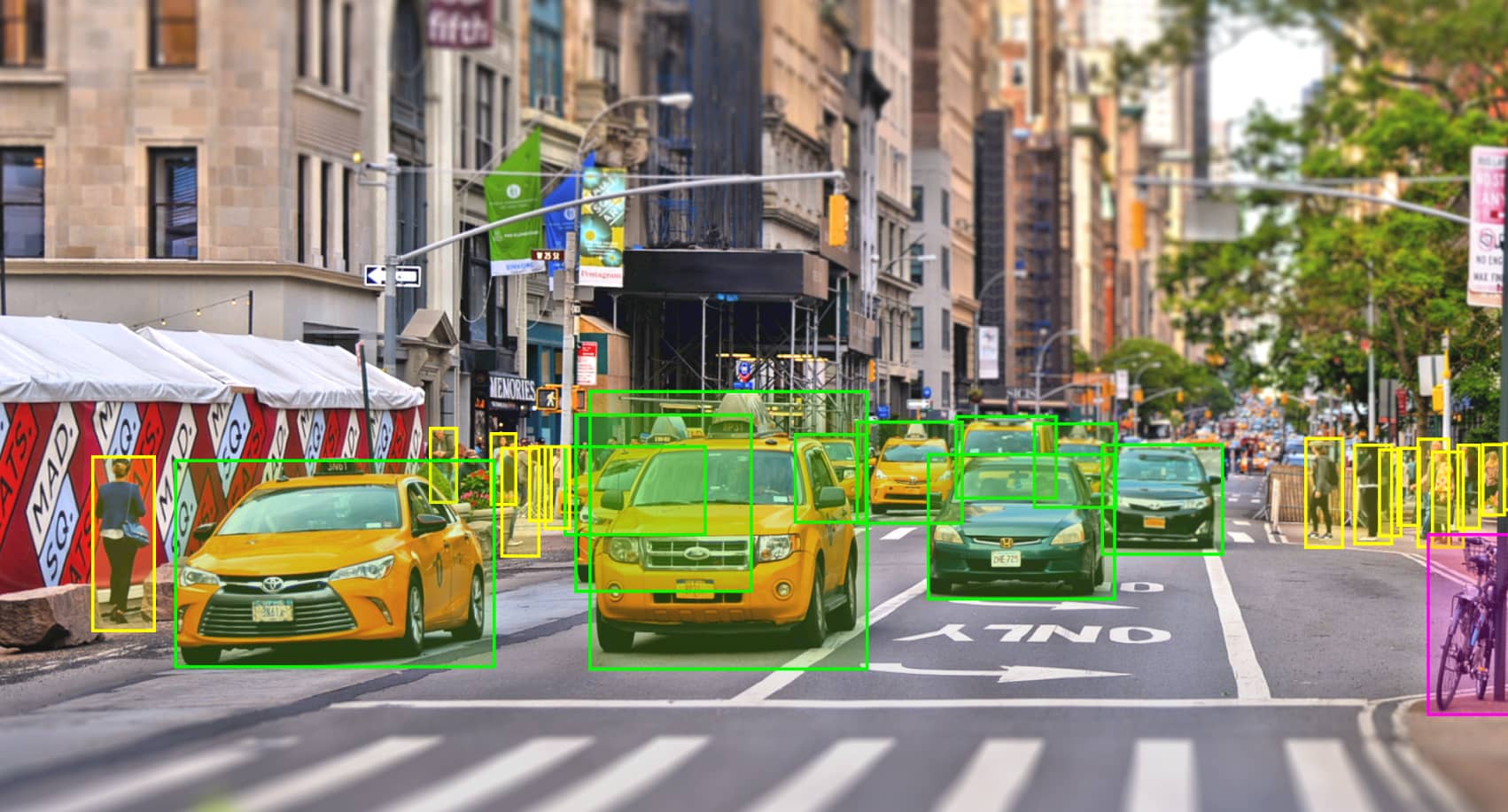
Image annotation involves the process of tagging or labeling images with metadata that allows computers to understand and interpret visually-related data with accuracy. Through the addition of annotations like bounding boxes, polygons, keypoints, or semantic segmentation, image annotation allows ML models to recognize patterns, objects as well as attributes contained in images. This method bridges raw image data, and the actionable information. It opens the way to applications across a variety of domains like autonomous vehicles as well as medical imaging.
To simplify the annotation process, an extensive range of annotation tools have been developed. They have user-friendly interfaces which allow users to easily mark images or objects of importance. These tools provide a variety of annotation options, and options for customization that can be tailored to meet specific requirements for data. An image annotation tool is available in a wide range of options, including basic drawing tools, advanced shape recognition, and automatic annotation suggestions. This allows annotators to work effectively and precisely.
Image annotation solution takes the annotation process to the next level by incorporating automation and collaboration features. These software solutions leverage ML algorithms to automatize the annotation process, which reduces manual labor and increasing annotation speed. The annotation software uses techniques like active learning and transfers the learning process to accelerate the process of labeling, while preserving quality results.
Additionally, annotation software allows collaboration between multiple annotationists and teams, allowing them to collaborate seamlessly. It also provides real-time synchronization annotating versioning, and comments features, ensuring a smooth flow of communication and fostering a collaborative environment. This method of collaboration not just enhances the quality of annotations, but helps to promote knowledge sharing and assures consistency across annotations.
When selecting an image annotation software there are a few things to think about. The software must be able of meeting the needs of the project. This includes the kinds of annotations needed (e.g. bounding boxes and keypoints), as well as the complexity and scalability.
Second, the flexibility of the system is essential. A robust annotation system should be able of customizing workflows to accommodate annotations, and also integrate with the existing software for managing data. Additionally, it should be compatible with multiple data formats. This flexibility will ensure that the annotation software can seamlessly integrate with workflows and pipelines that are already in place improving overall productivity.
Thirdly, the quality of the annotations generated by the software should be assessed. Annotation solutions that are reliable employ quality control methods to ensure accuracy and consistency in labeling. These include agreements between annotations, inter-annotator checking the validity of annotations, checks on annotation validity and constant feedback between annotations.
Image annotation has a far-reaching impact that goes beyond the annotation process. With the help of tools for image annotation as well as software and solutions organisations can boost the value of their information in a variety of ways. First and foremost, precise annotations facilitate the development and training of ML models with better quality and accuracy. The models can be utilized for various purposes like the recognition of objects, image classification and detection of anomalies.
Image annotation also assists in data driven decision making by providing deep, valuable information from visual data. For example, in the medical industry, annotations on medical images can aid in diagnosing illness, identifying abnormalities, and planning treatment plans. Image annotations are used in online shopping to facilitate search capabilities for images visually merchandising, visual merchandising, as well as product recommendations systems.
The use of image annotation with data science has revolutionized the way we work by making an asset that is valuable. It helps speed up data analysis and uncovers relationships that are not obvious. The real-time information is also produced. Annotating images can help companies improve their processes and get to market faster, thereby cutting costs. Additionally, it gives them an advantage. Images are an excellent method of communicating concepts and they’re easier to comprehend than abstract figures. A properly annotated image can allow data to be more easily accessible to all parties. If done properly, annotating is a powerful way to turn data into actionable information and enhance the effectiveness of all applications.