Cooking oil is among those ingredients most people use daily but rarely consider. It’s easy to pick whatever bottle is closest and assume it will work for anything. Oils react differently according to heat, flavour or composition of fats. Understanding these distinctions is the simplest way to improve your cooking at home.
When deciding between coconut oil, olive oil, or avocado oil to cook with your food, don’t make the choice based on trends or headlines. It is crucial to think about the performance of each oil when used in real-life cooking situations.
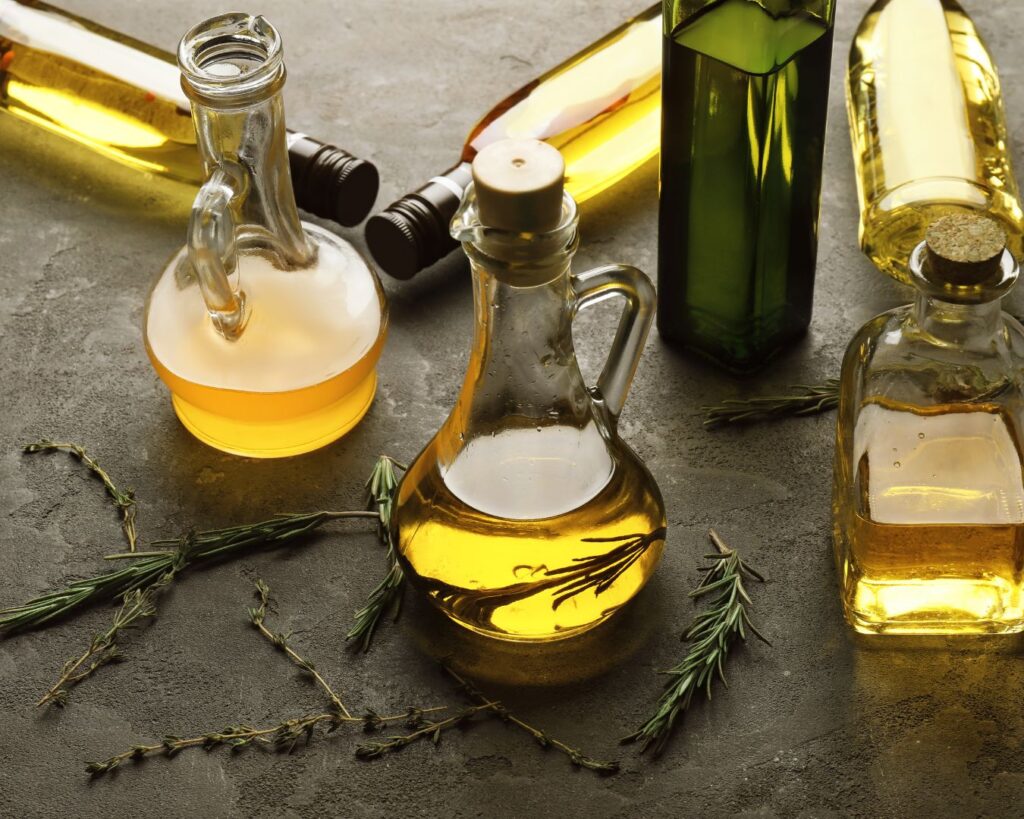
Why choosing the right oil is more important than you believe
Cooking oil has three main tasks. It transfers heat from the oven to food. Second, it adds flavor, either subtly or significantly. It also affects the nutritional value according to the kind of fat used and the degree of stability it has at high temperatures.
When they overheat, oils begin to decay. It also can cause unpleasant tastes and diminish nutritional value. Using the wrong oil for the wrong purpose can lead to food that taste flat bitter, bitter, or oily, even if the recipe is excellent.
Olive Oil for Cooking: Best Used with a purpose
Olive oil has been investigated and is widely used in cooking. It is made through pressing olives. It is a source of monounsaturated fatty acids, in addition to antioxidants such polyphenols and Vitamin E.
Extra virgin olive oils possess a fruity and peppery taste. The flavor of olive oil is the ideal dressing, marinade and roasting vegetables. In these instances the flavor enhances the food and does not get lost.
The smoke point of extra-virgin olive oils is less than many people believe. To cook at higher temperatures refined olive oil is better. It has a milder taste and better heat tolerance, making it better to cook in baking, frying and roasting at higher temperatures.
Olive oil can be a healthy and tasty product when used properly.
Coconut Oil: Specific but Stable
Coconut oil performs a different way in comparison to olive oil. It is high in saturated fat which makes it stable under temperatures. This stability is the main reason people choose coconut oil for cooking.
The refined coconut oils have very light flavor and are perfect for baking, frying and other situations in which heat stability is a priority. Unrefined coconut oil has a distinct aroma and coconut flavor. This flavor is perfect in curries, desserts and stir fries but it can also be a problem with other foods.
Coconut oil shouldn’t be used as a mainstay in a day-to-day routine. It is more beneficial to use it occasionally. It’s delicious in high temperatures, but it is not as powerful in its antioxidant profile as avocado or olive oil.
Avocado Oil: Heat-Friendly and Neutral
Avocado oil is popular because it can handle heat well. Avocado oil has the highest smoke point among the oils which are employed for cooking. It is great for searing or roasting food as well as grilling and frying.
Avocado oil is a rich quantity of monounsaturated fats as well as vitamin E. It’s therefore more similar to coconut oil in terms of health benefits than olive oil. Its taste is neutral and mild, making it a great choice when you don’t want the oil to impede the flavor of the food.
Avocado oil is usually the safest option when cooking in high temperatures but keeping in mind the benefits of a healthier fat.
Make use of Oils in a Smart Way
There is no perfect oil for every task. It is recommended to have multiple options and to use them all.
Avocado oil is ideal for cooking in high-temperatures. Avocado oil is ideal for high-heat cooking. Coconut oil can be utilized for cooking when consistency of heat and the distinct flavor is sought after.
If you can recognize these differences, you’ll be able cook more consistently and without guesswork.
Better Cooking Begins With More Basic Ingredients
It’s not necessary to use expensive ingredients or complex cooking techniques in order to cook effectively. It’s usually about small, logical choices made consistently.
Knowing when to use coconut oil, olive oil, or avocado oil in cooking is one of the easiest ways to enhance flavor as well as texture and confidence in the kitchen. When you know how oils react, cooking will be easy and much more enjoyable.